Table Of Content

Male-pattern hair loss is what causes a receding hairline and baldness in men. In women, female-pattern hair loss typically affects the crown or top of the head first, Mirmirani says. Women may notice that their part is becoming wider or that their scalp is more visible. The effect of the cold cap reduces blood flow to the scalp and therefore the amount of chemotherapy medication that reaches that area.
The role of vitamins and minerals in hair health: Essential nutrients for strong and healthy hair
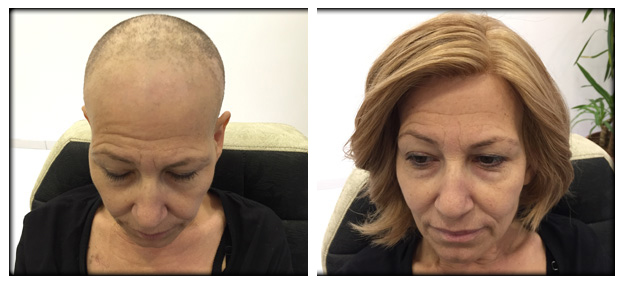
Most of the time, your hair will grow back two to three months after chemotherapy is over. Your hair may start to grow back even while you are getting chemotherapy. Your hair may be very fine when it starts growing back. Hair loss related to chemotherapy is usually not permanent. For many people, hair starts growing back around 3 months after completing chemotherapy.
How one Israeli hospital is combatting chemotherapy-based hair loss - The Jerusalem Post
How one Israeli hospital is combatting chemotherapy-based hair loss.
Posted: Wed, 05 Jul 2023 07:00:00 GMT [source]
Scalp cooling
TODAY's Jill Martin Shares Emotional Video Wig Shopping After Chemo - TODAY
TODAY's Jill Martin Shares Emotional Video Wig Shopping After Chemo.
Posted: Wed, 27 Dec 2023 08:00:00 GMT [source]
And because it is crinkle cotton it will grip quite nicely. So again what you are doing is off- setting this, so we have got one end longer than the other. So if you just scrumple the ends, cross them over at the back and then that’s secured it. Then if you give it a little bit of a twist and go over the top. If you can try and tie a reef knot at the side it gives a flatter knot which is a nicer look.
International Patients
You know this would be quite a good scarf you could just wrap it... And it gives you quite a nice elegant look, so you can change it to whatever suits your personality, your wardrobe and what you are doing. Depending on the shape of your face you might want to create a bit more width and one of the ways to do that is to add another one of these stretchy tubes on top. You can do a little bit of adjusting if you want to, and then it’s created a little bit more width. If you want to create a bit more height if you just un tuck the back bit you can just rearrange it... And tuck the front part under there and that creates a bit more height.

Coping With Cancer
I would say to stay away from any products that chemically curl or straighten hair. But if you’re determined to do something, at least run it by your care team first, to make sure it won’t interfere with your treatment. It’s hard to say what products will help with hair regrowth. Good general nourishment and the avoidance of extra chemicals — such as minoxodil — may help the healing process.
Special Health Reports
Some treatments cause only partial hair loss or thinning, while others cause people to lose hair from all over their body. Some cancer treatments, like chemotherapy, make people lose some or all of their hair. Learn what you can do to help avoid or manage hair loss.
What are the most common causes of hair loss during cancer treatment?
Some people going through this feel depressed, anxious, frustrated, angry, or a combination of emotions. This may be something you want to discuss in a support group or with a counselor who works with people dealing with cancer. Give yourself room to feel and work through whatever comes up. Chemotherapy drugs attack all cells that grow rapidly in your body, whether they’re cancer cells or not. It’s one thing to know your hair is going to fall out.
Hair loss is a consequence of cancer treatment that can be very distressing. There is no right or wrong way to feel about this hair loss or how you face it. It may affect some people's self-esteem and emotional well-being, while others can view it as a symbol of their fight against the disease. This class of chemo drugs is less likely to cause hair loss as compared to others, but some hair thinning may occur. If you decide to wear one, do your shopping at the beginning of your treatment so you can match the natural color, texture, and style of your hair. You may, depending on the chemotherapy drug that is used.
Permanent patchy hair loss has also rarely been reported. Minoxidil (Rogaine) is a medicine used for hair loss. Applying minoxidil to your scalp before and during chemotherapy isn't likely to prevent hair loss. However, some research shows that it may speed up your hair regrowth.
Not all chemotherapy medications cause hair loss, but many do. Hair loss from chemo starts about two weeks following the first treatment and will begin to regrow once the chemo is finished. With most types of chemotherapy, the cells in the hair follicles will regenerate enough to resume hair growth. They normally go through a cycle of active growth, then rest. Chemotherapy sends more of them into the rest phase (telogen), which usually lasts for 100 days. There are multiple classes of chemotherapy drugs, each of which affects a different part of the cell growth cycle or acts in a different way.
When your hair starts to grow back, it will probably be slightly different from the hair you lost. It could fall out very quickly in clumps or gradually. You'll likely notice hair on your pillow, in your hairbrush or comb, or in your sink or shower drain. Finally, keep in mind that the same healthy habits recommended for maintaining your physical health will also help your hair. Try to find ways to manage stress, and strive for a well-balanced diet that includes plenty of fruits and vegetables. Minimize the use of high-heat styling tools, hair extensions and harsh treatments like perms.